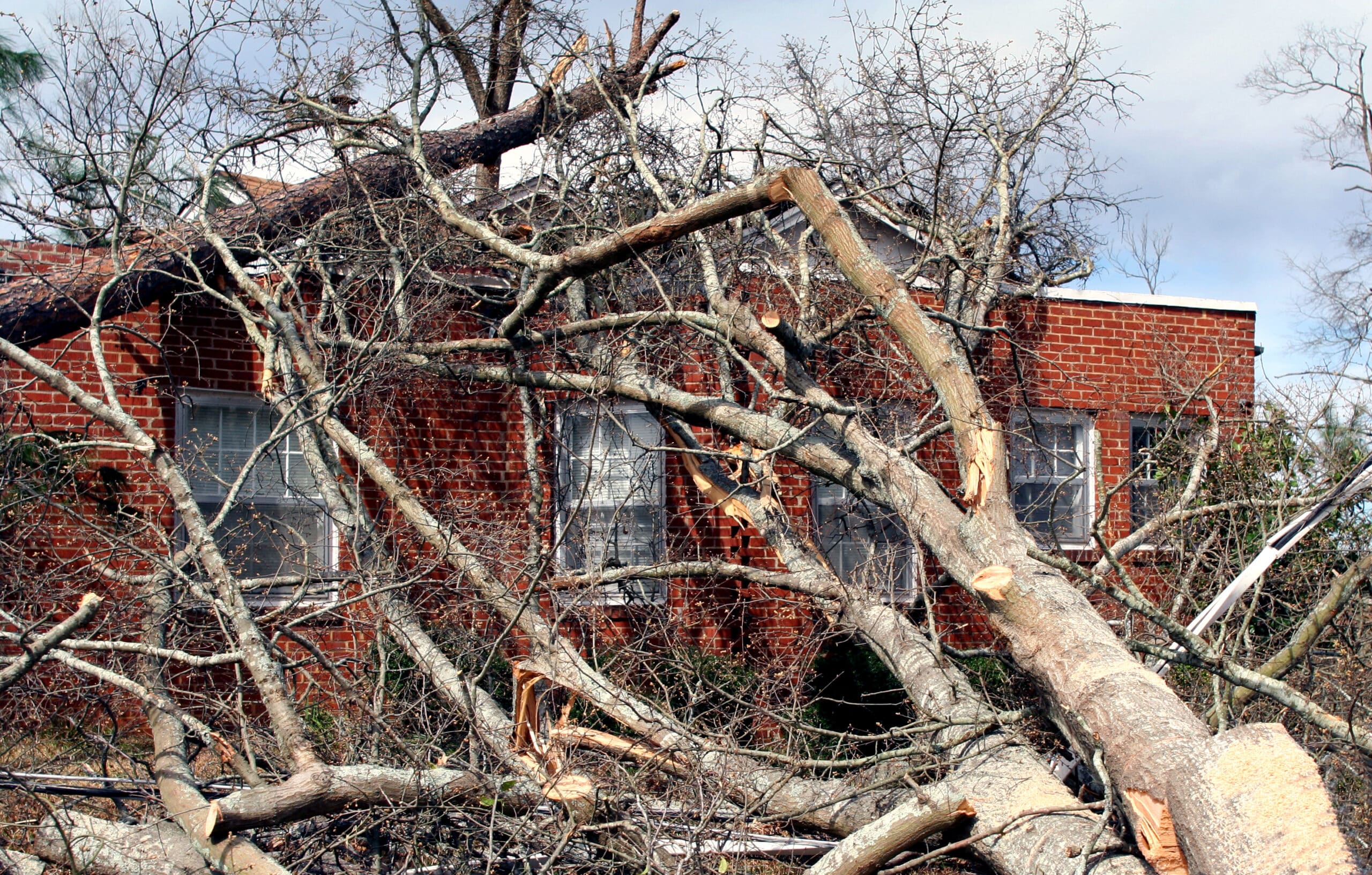
Spring in West Michigan is a season of hope – blue skies, green grass, budding trees and flowers. Spring means garden planting, Easter celebrations, and outdoor sports. Unfortunately, it also marks the onset of the period of most severe weather. As our temperatures rise, the Grand Rapids, Muskegon, and Kalamazoo areas frequently experience heavy rains, strong winds, and occasional tornadoes. These conditions can lead to flooding, power outages, and property damage. Here we will discuss the risks that your home or business property may face and the proactive measures you can take that can help protect your home and family if and when the weather turns violent and unpredictable.
Understanding Spring Storm Season in West Michigan
West Michigan’s spring weather is characterized by rapid temperature changes and the collision of warm, moist air from the south with lingering cold air from the north. This clash often results in severe weather events. These include:
Heavy Rainfall
Spring storms can bring substantial rainfall in short periods, overwhelming drainage systems and leading to flooding. New rain in addition to melting snow and saturated earth can lead to significant flooding like the April 2013 flood in Grand Rapids when the Grand River crested at 21.85 feet, causing over $10 million in damage and the evacuation of thousands of residents.
Strong Winds
Wind gusts during spring storms can reach very high speeds, creating risks like downed trees and power lines for travelers and homeowners. Just last month, March 2025, saw parts of Southwest and West Michigan experience recorded wind gusts up to 81mph near the Grand Rapids airport.
Tornadoes
While less frequent than in Tornado Alley, tornadoes do occur in West Michigan. From 1950 to 2017, the area recorded 245 tornadoes. The most active months for severe weather in West Michigan are not in the summer or fall, but in April, May, and June. Comstock Park and other neighboring communities experienced devastating tornados in August of 2023 and Portage in May of 2024.
Ice Storms
As the adage goes: “March comes in like a lion…” but it can also go out like one as snow and ice storms can still occur even into April and, very occasionally, May. The late March 2025 ice storm that devastated Northern Michigan, is an unfortunate example of this. It left over 100,000 residents without power and caused extensive damage to infrastructure and natural resources.
The storm is the worst in over a century, with ice accumulations snapping millions of trees and crippling power grids across multiple counties. This only highlights the importance of preparedness, as ice storms can lead to prolonged power outages, hazardous travel conditions, and significant property damage.
Preparing for Spring Storms
Before the Storm
Preparing for severe weather arrival is one of the best ways to protect your family and minimize costly repairs. Taking simple preventive steps now can make all the difference when the next storm rolls through. These steps include:
- Inspecting and Maintaining Gutters and Downspouts: Clear your gutters of debris to allow for proper drainage and prevent water from pooling near your foundation.
- Checking Sump Pumps: Test that your sump pump is functioning correctly and consider installing a battery backup to ensure operation during power outages.
- Securing Outdoor Items: Anchor or store outdoor furniture, grills, and other items that could become projectiles in high winds.
- Trimming Trees and Branches: Remove dead or overhanging branches that could fall and damage your property during a storm.
- Reviewing Insurance Coverage: Check that your homeowner’s insurance policy covers storm-related damages, including flooding and wind damage.
What to Do During a Storm
When a severe storm hits, your priority should always be safety. Heavy rain, high winds, and lightning can create dangerous conditions inside and outside your home or business. Knowing what to do during a storm can help you stay safe and protect your property from additional damage.
- Stay Informed: Monitor local weather forecasts and alerts.
- Seek Shelter: During severe storms or tornado warnings, move to a basement or interior room away from windows.
- Avoid Floodwaters: Do not walk or drive through flooded areas.
After the Storm: Assessing and Addressing Damage
Once it’s safe:
- Inspect Your Property: Common types of damage include roof damage, broken windows, and water intrusion. If you suspect you may have damage, but are not sure, call John Grace for a free inspection to help identify sources of damage or inspect any hard-to-access parts of your property. We have the expertise and skill to quickly assess and address water damage, prevent mold growth, and do structural repairs. It’s better to be safe than sorry because damage – especially water damage – can worsen and spread very quickly if it’s not addressed. Call us!
- Document Damage: Take photographs for insurance claims.
John Grace Restoration and Construction: Your Partner in Recovery
At John Grace, we specialize in helping West Michigan residents recover from storm-related damages. Our team offers prompt, professional services, including water extraction, structural repairs, and mold remediation. With our expertise, you can restore your home or business to its pre-storm condition efficiently and safely.
John Grace can work directly with a home or business owner’s insurance company and help navigate the complex insurance-claim process. Contact us today to learn more about our services and how we can assist you in preparing for and recovering from anything that Michigan can throw at us during spring storm season.