When most people think about a fire, they focus on the damage caused directly by the flames. Burned walls, charred belongings, and structural damage are easy to see. However, in many cases, the damage caused by smoke and soot can be just as significant, and sometimes more widespread, than the damage caused by the fire itself.
Areas untouched by flames can still require extensive cleaning and restoration. Understanding the difference between fire damage and smoke damage can help property owners make informed decisions after a loss and avoid costly long-term problems with their property and even their health and safety.
Understanding Fire Damage
Fire damage refers to the direct destruction caused by flames and heat. Depending on the severity of the fire, this can include:
- Burned structural components
- Damaged roofing, walls, and flooring
- Destroyed furniture and belongings
- Compromised electrical and mechanical systems
- Structural instability caused by heat exposure
These damages are often obvious. You can see a burned roof. It’s easy to understand that electrical wiring may be compromised in a burned home. These are typically the first issues addressed during the restoration process.
Understanding Smoke Damage
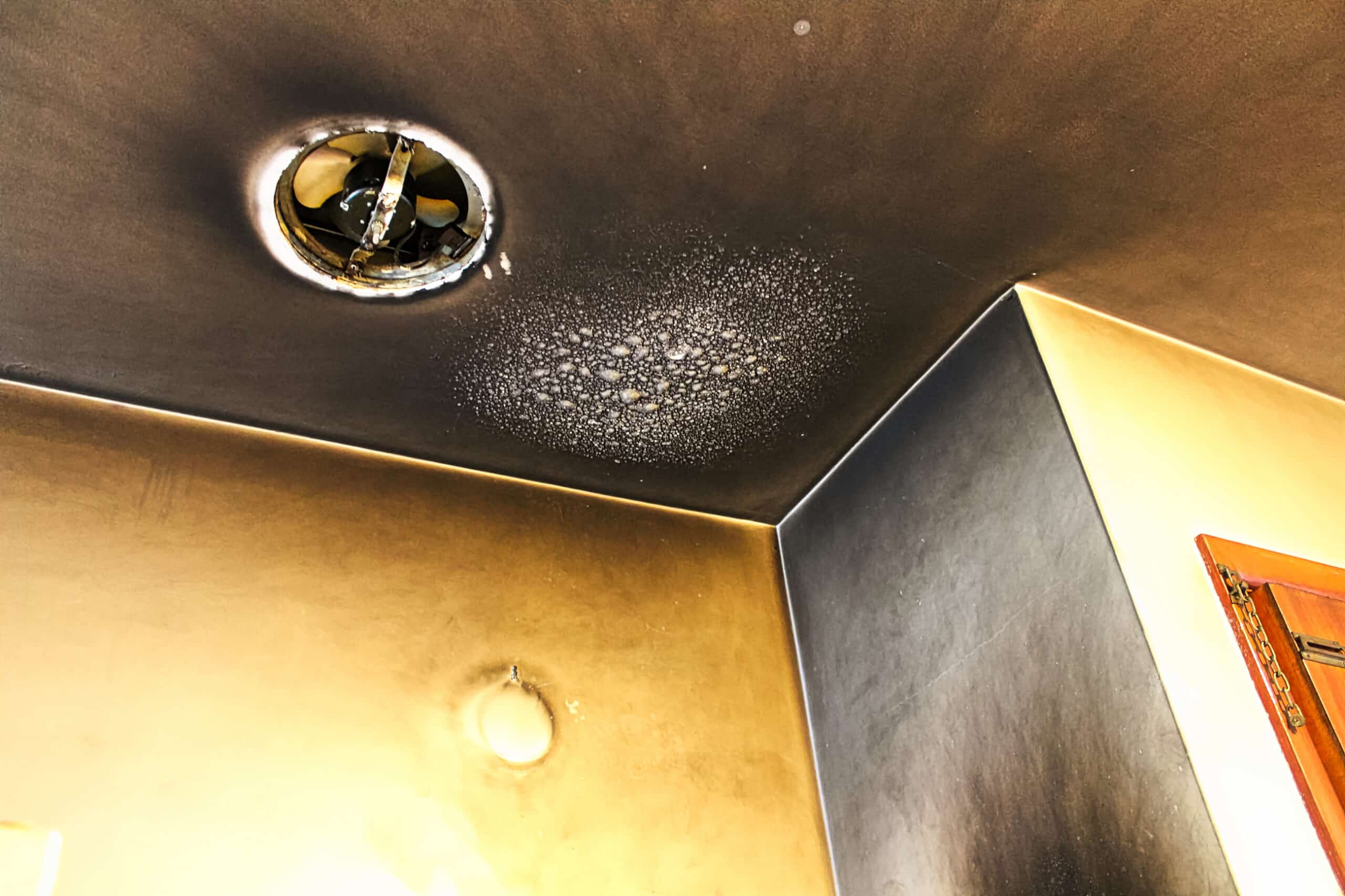
A less obvious problem can be smoke damage, which can affect a much larger area of a home or building than the burned section. Smoke particles travel throughout the structure, moving through open spaces, wall cavities, and HVAC systems. Even rooms far from the source of the fire may experience:
- Soot deposits on surfaces
- Lingering smoke odors
- Discoloration of walls and ceilings
- Damage to electronics and appliances
- Indoor air quality concerns
In many cases, smoke damage extends well beyond the area directly affected by flames.
Why Smoke Damage Can Be More Widespread Than Fire Damage
Smoke is made up of microscopic particles that settle on nearly every surface they encounter. These particles can penetrate porous materials such as drywall, insulation, upholstery, carpeting, and wood.
Because smoke travels so easily, a kitchen fire may leave smoke residue throughout an entire home. Likewise, a fire in one section of a commercial building can impact offices, classrooms, hallways, and HVAC systems that were never directly touched by flames.
Without proper cleaning, these particles continue to circulate throughout the building and can create persistent odors and ongoing contamination issues.
The Hidden Effects of Soot
Soot is more than a cosmetic problem. It contains acidic compounds and microscopic particles that can begin damaging surfaces shortly after a fire occurs. In addition to staining and corrosion, soot can negatively impact indoor air quality when it settles throughout a home or business.
Over time, soot can:
- Stain walls, ceilings, and flooring
- Corrode metal fixtures and appliances
- Damage electronics and sensitive equipment
- Discolor furniture and fabrics
- Create unpleasant odors that become more difficult to remove
- Affect indoor air quality throughout the property
For homeowners, employees, and building occupants, exposure to soot and smoke residue may contribute to respiratory irritation and other health concerns, particularly for individuals with asthma, allergies, or other respiratory conditions.
The longer soot remains, the more difficult and expensive restoration can become.
Why DIY Cleanup Often Falls Short
After a small fire, property owners sometimes attempt to clean smoke damage themselves. Unfortunately, household cleaning products are often ineffective against soot and can sometimes make the damage worse. Improper cleaning can spread soot to unaffected areas, grind particles deeper into surfaces, and damage delicate materials. Odors that are left behind will continue to linger.
Professional restoration uses specialized cleaning methods, air filtration systems, and deodorization equipment designed specifically for smoke and soot contamination.
Professional Smoke and Fire Restoration
Successful restoration addresses both the visible fire damage and the hidden effects of smoke.
At John Grace, depending on the damage, our process may include:
- Damage assessment and inspection
- Soot and smoke residue removal
- Odor elimination and air purification
- HVAC system cleaning
- Contents cleaning and restoration
- Structural repairs and reconstruction
Our goal is to restore the property completely, not just remove visible signs of the fire.
Don’t Ignore Smoke Damage
A common misconception is that if an area didn’t burn, it doesn’t need restoration. In reality, smoke damage can impact air quality, damage belongings, and create long-term issues if it is not addressed properly.
Whether you’ve experienced a small kitchen fire or a major commercial loss, professional restoration helps ensure that both fire damage and smoke damage are handled correctly.
How John Grace Can Help
John Grace Restoration and Construction provides comprehensive fire and smoke damage restoration services throughout Michigan. From emergency response and cleanup to contents restoration and reconstruction, our team guides property owners through every step of the recovery process.
If your home or business has been affected by fire or smoke damage, contact John Grace today for a free inspection and professional assessment.