When winter comes, many of us rely on space heaters and alternative heating sources to stay warm and cozy in our homes. It’s often easier and more cost effective to heat a smaller space with a heater than to run your furnace harder. While alternative heating methods provide comfort, unfortunately, they come with potential risks if you do not use them properly. At John Grace, we’ve seen the devastating effects of home heating fires too often, so we want to help you stay safe this winter. Here’s what you need to know about safely using space heaters and other heating options to keep your family and property protected.
A Leading Cause of Home Fires
Heating equipment is a leading cause of home fires, especially during the colder months. Common alternate heating sources like space heaters, wood stoves, and fireplaces, can ignite fires when improperly used or maintained. This happens as a result of:
- Overheating: Space heaters can overheat when they are left running for too long and spark fires when placed near flammable materials like curtains, furniture, or bedding.
- Electrical Issues: Faulty wiring or overloading circuits with high-energy devices like space heaters can result in electrical fires.
- Improper Use: Leaving heating devices unattended or using them in unsafe conditions significantly increases your risk of fire.
Space Heater Safety Tips
When using space heaters, start by choosing a certified heater with safety labels such as UL or ETL, and look for features like automatic shutoff to prevent accidents if the heater tips over. Position the heater carefully on a stable, level surface and keep it at least three feet away from flammable objects such as curtains, bedding, furniture, and rugs. Always plug the heater directly into a wall outlet. Avoid plugging space heaters into extension cords or power strips, as they can overheat and pose a fire hazard.
Another key safety tip: Never leave a space heater unattended. Always turn it off and unplug it when leaving the room or going to bed. Regularly inspect the heater for any damage to cords, plugs, or components, and discontinue use immediately if you notice any issues.
Other Alternate Heating Sources
For those using traditional heating sources like fireplaces or wood stoves, safety precautions are equally important. If you use your fireplace to heat your home, position a sturdy fireplace screen in front of it to prevent sparks or embers from escaping into the room. Also, have your chimney inspected and cleaned annually by a professional to prevent creosote buildup, which is a common cause of chimney fires.
If you use a wood stove for heating, make sure that it is installed according to local building codes and manufacturer recommendations, and use seasoned wood to minimize creosote buildup. Also avoid burning treated or painted wood, which releases harmful chemicals into your home when you’re least likely to be breathing fresh air from outdoors. You should also follow manufacturer instructions for cleaning and maintenance if you use a pellet stove. A clogged vent can lead to carbon monoxide buildup.
If your electricity goes out during a blizzard or cold spell and you power your furnace with a portable generator, never operate it indoors or near open windows or doors. Carbon monoxide poisoning is an invisible but deadly risk.
General Heating Safety Tips
Here are some other safety tips that can help you reduce fire risks:
- Install and Maintain Smoke Alarms and Carbon Monoxide Detectors: Place smoke alarms in every bedroom, outside sleeping areas, and on each level of your home. Test them monthly, and replace batteries as needed.
- Practice Safe Fuel Storage: Keep flammable liquids like kerosene or propane away from heat sources and store them in well-ventilated areas.
- Create a Fire Escape Plan: Make sure everyone in your household knows how to quickly and safely exit the home in case of a fire.
- Never Block Exits: Place heating equipment in locations that do not obstruct doorways or escape routes.
If a Fire Occurs
Even with the best precautions, accidents can happen. If a fire occurs in your home:
- Evacuate Immediately: Leave the house and call 911 from a safe location.
- Do Not Re-Enter: Wait for firefighters to declare the home safe before going back inside.
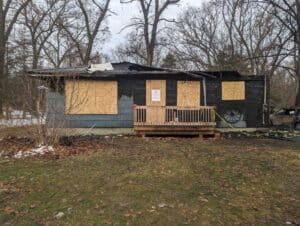
- Contact John Grace: After the fire is extinguished, call John Grace Restoration. We will secure and board up your property after a fire so no more damage occurs. We specialize in fire damage restoration, from structural repairs to smoke odor removal, and will help you get your home back to its pre-fire condition as soon as possible.
Stay Warm and Stay Safe
By following these safety tips on space heaters and alternative heating sources, your family can stay warm and cozy in your home this winter. If you have worries about fire safety or need help restoring your home after a fire, please do not hesitate to contact us. We are here to provide expert restoration solutions and peace of mind when you need it most.