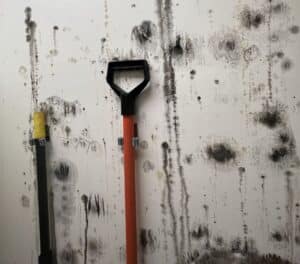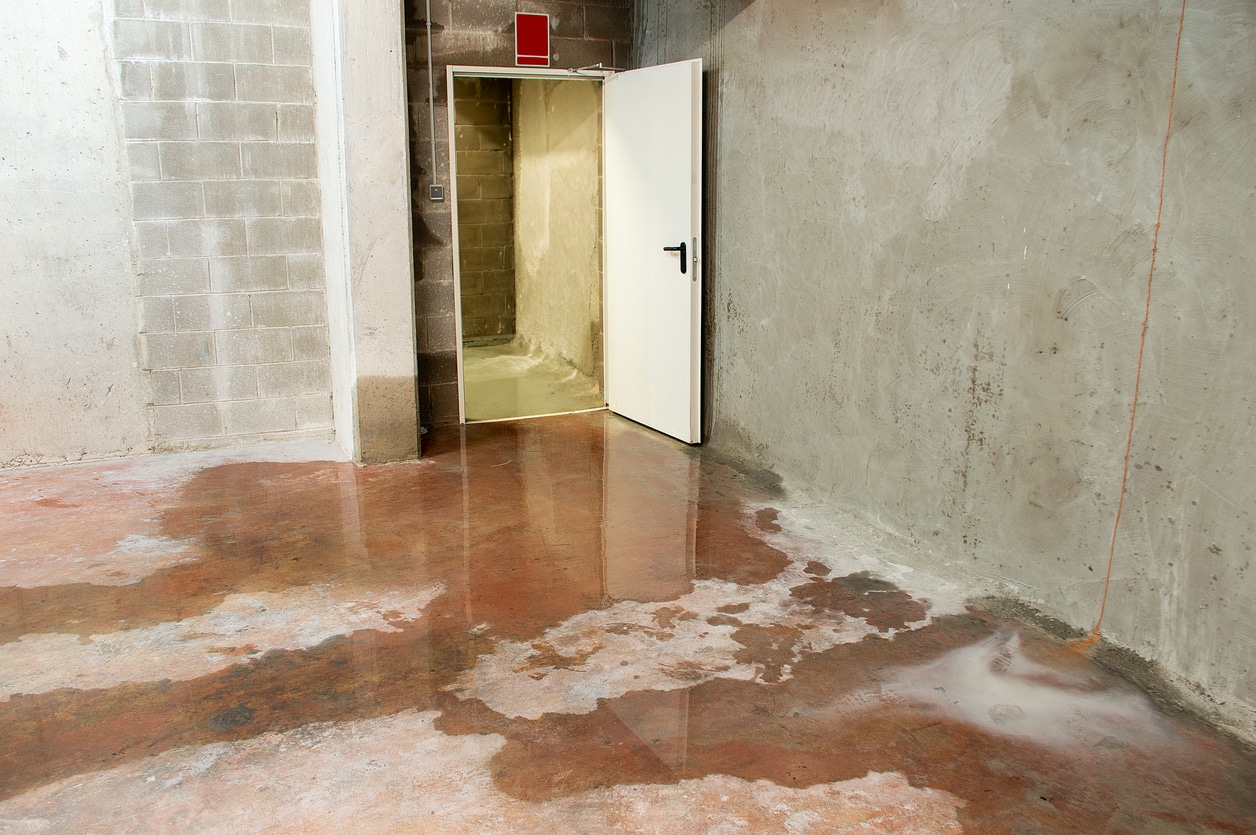
Spring in West Michigan can bring a unique set of water-related challenges due to our unique climate, geography, and proximity to the Big Lake. As the snow and ice from winter melt and seasonal rains begin, homes and businesses face the risk of water damage, particularly in low-lying areas and older buildings. This can lead to water intrusion in basements and cause costly damage and potential health hazards like mold growth. At John Grace, we’ve helped many area homeowners and business owners recover from spring-related flooding—and we want to help you prevent it before it starts.
Challenges of Living in Michigan
Why is water damage more likely in Michigan? There are a number of reasons, including:
Rapid Snowmelt and Freeze-Thaw Cycles – As spring approaches, sudden temperature swings can cause rapid snowmelt. When combined with frozen or saturated ground, this excess runoff has nowhere to go but into basements, crawl spaces, and low-lying areas. This can cause your concrete and masonry to expand and contract, making existing foundation cracks worse and creating new points of water intrusion.
Flooding in Low-Lying and Lakeshore Areas – Muskegon, Grand Haven, Holland, and Grand Rapids are especially vulnerable to river flooding and shoreline flooding during spring thaw. Rising water levels can overflow banks, leading to flash flooding and long-lasting water damage in nearby neighborhoods.
Saturated Soils and Poor Drainage – The clay-heavy soils found in many parts of West Michigan are slow to absorb water, especially after a wet winter. This poor drainage can cause surface water to pool around homes and commercial buildings, putting pressure on foundations and increasing the likelihood of seepage into basements or crawl spaces.
Heavy Spring Storms – West Michigan’s storm season often kicks off in early spring. These storms can bring heavy rainfall on top of an already saturated landscape, overwhelming sump pumps, storm drains, and municipal drainage systems. Combined with high winds, this can lead to roof damage and water intrusion from above as well.
Lake Michigan-Related Flooding – Lakeshore property owners may also face elevated Lake Michigan water levels during spring and early summer. Strong winds from spring storms can push lake water inland, causing localized flooding along dunes, piers, and beachfront properties.
Signs Your Basement May Be at Risk
If you’re concerned about the basement or foundation of your property, take a look around. There are warning signs that indicate that your home or business is vulnerable to flooding during the spring thaw:
- Water stains on basement walls or floors
- Musty or damp smells
- Cracks in your foundation or basement walls
- A sump pump that rarely turns on or appears to be malfunctioning
- Pooling water or ice near your foundation
How to Protect Your Property from Spring Thaw Basement Flooding
Take these steps to minimize the change that your basement floods this spring:
1. Inspect and Maintain Your Sump Pump
Before spring arrives, test your sump pump by pouring water into the sump pit to make sure it activates and pumps water away properly. Consider installing a battery backup system to ensure the pump works even if the power goes out during a storm.
2. Clear Gutters and Downspouts
If your gutters and downspouts are clogged, the water from your roof will not be able to drain properly, and you will have pooling around your foundation – which is an invitation to intrusion. Clean out debris from gutters and extend downspouts at least 6–10 feet away from your home to direct water safely away from your home.
3. Seal Cracks and Gaps
Inspect your basement walls and foundation for cracks or gaps where water could enter. Use waterproof sealants or hire a professional to address more serious foundation issues before spring thaw begins.
4. Improve Grading Around Your Home
Does the ground around your property slope away from or towards your foundation? Poor grading can cause water to flow directly toward your basement walls, increasing the risk of seepage.
5. Install or Upgrade Drainage Systems
Consider installing a French drain or other exterior drainage solutions if you notice recurring pooling water near your home. These systems help redirect water away from your foundation.
6. Reduce Snow Pileup Near Your Foundation
If heavy snowfall has accumulated next to your home, shovel it away from your foundation before it starts to melt. This reduces the volume of water flowing toward your basement.
What to Do If Your Basement Floods
Even with the best precautions, basement flooding can still occur. If you notice water entering your home, act quickly to stop the water source if possible, then remove any standing water using a pump or a wet/dry vacuum. If your basement has significant flooding, call John Grace Restoration. We can extract any amount of water, dry the area, and restore it to its original condition. We can also remove mold if it has occurred due to seepage.
Protect Your Home This Spring
The spring thaw doesn’t have to mean disaster for your home. With a proactive approach and attention to drainage and waterproofing, you can minimize the risk of basement flooding. John Grace specializes in water damage restoration and structural repairs. We hope you do not experience basement flooding this spring, but we are available 24/7 to help you recover quickly if it does occur. Keep us in mind for any home or commercial damage repair you may need.