A fire can change everything in a matter of minutes. While no one expects to experience one, taking a few simple steps to avoid an emergency—and knowing what to do if one occurs—can help protect your family, minimize property damage, and make the recovery process less overwhelming.
At John Grace, we’ve helped homeowners and businesses throughout West Michigan recover from fire damage for years. We created this guide to give you practical, easy-to-follow advice for preventing fires, preparing your family, and knowing what to do if a fire does occur.
Download and print our Fire Safety Guide to keep it somewhere easy to find, or review the checklist below.
Before a Fire: Prevention and Preparation
Test Your Smoke Alarms
Smoke alarms are your first line of defense. Test every smoke alarm in your home monthly, replace the batteries at least once a year, and make sure alarms are installed on every level of your home and inside every bedroom.
Be Prepared
Keep fire extinguishers in locations where fires are most likely to occur, such as the kitchen, garage, workshop, and mechanical room. Inspect them regularly so they’re ready if you ever need them.
Reduce Common Fire Risks
Many residential fires can be prevented through simple habits. Avoid smoking indoors, never leave candles unattended, and have your furnace and fireplace inspected annually to reduce the risk of accidental fires.
Practice Your Escape Plan
Every member of your household should know at least two ways out of each room whenever possible. Designate a safe outdoor meeting place and practice your fire escape plan regularly so everyone knows what to do during an emergency.
After a Fire: Safety First
Make Safety Your First Priority
Do not re-enter your home or business until the fire department has declared it safe. Check on family members, neighbors, or employees. Then seek medical attention for anyone who may have been injured or exposed to smoke.
Secure Your Property
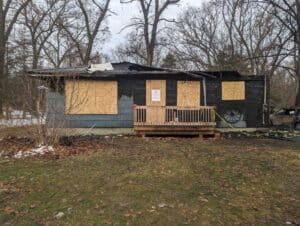
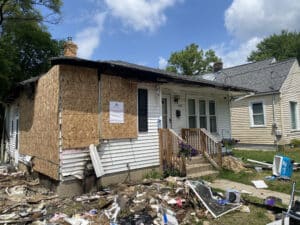
Once authorities allow access, take steps to secure the property against weather and unauthorized entry. Emergency board-up and tarping can help prevent additional damage while restoration begins.
Avoid DIY Cleanup
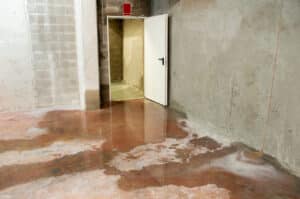
Smoke and soot contain microscopic particles that can continue damaging surfaces and affect indoor air quality if they aren’t properly removed. Water used to extinguish the fire can also create ideal conditions for mold growth if cleanup is delayed. Professional restoration helps ensure these issues are addressed safely and thoroughly.
Contact the Right Professionals
Notify your insurance company as soon as possible, then contact a full-service restoration company like John Grace. We can guide you through the recovery process—from emergency mitigation and contents protection to reconstruction.
Want more detailed guidance? This page covers the essentials, but we’ve also created a comprehensive What to Do After a Fire: Recovery Guide with step-by-step instructions, insurance tips, safety recommendations, and a downloadable checklist to help you navigate the days following a fire. Read the complete Fire Recovery Guide here.
Need Help After a Fire?
Recovering from a fire involves much more than repairing damaged walls. Smoke, soot, water from firefighting efforts, and damaged belongings all require specialized care to return your property to a safe, healthy condition.
At John Grace, we manage the entire restoration process from emergency board-up and water mitigation to smoke cleanup, contents restoration, reconstruction, and insurance coordination. Our experienced team is available 24/7 to help homeowners and businesses throughout West Michigan recover as quickly as possible.
If your property has been affected by a fire, contact John Grace for a free inspection. We’ll help you take the next steps with confidence.