In West Michigan, winter rarely ends with a whimper. Instead, first we get what many homeowners and property managers know all too well: False Spring. A stretch of warmer temperatures melts snow and ice, only to be followed by another hard freeze, more snowstorms, and sleet. This freeze–thaw cycle is one of the most damaging weather patterns for homes and commercial buildings alike.
Even though it’s only February, early thaws are already creating conditions that lead to water intrusion, hidden moisture, and mold growth. And because winter isn’t over yet, there’s a strong chance it will happen again.
At John Grace, we see firsthand how False Spring creates water damage that often goes unnoticed until it becomes a much larger problem.
Why False Spring Is So Hard on Buildings
False Spring is especially dangerous because it creates a false sense of security. Snow melts, ice disappears, and everything seems fine…until temperatures drop again.
During these freeze–thaw cycles, melting snow begins to seep into small cracks in foundations, roofs, and exterior walls. Because the ground is still frozen, proper drainage is blocked, forcing water toward basements and crawl spaces where it can accumulate. Ice dams may melt or partially melt, allowing water to work its way under shingles and flashing, while plumbing systems repeatedly expand and contract as temperatures fluctuate, increasing the likelihood of cracks or pipe failure. As temperatures drop again, this moisture often becomes trapped behind walls, under flooring, or in insulation. By the time visible water appears inside the building, the damage has frequently already spread beyond what can be seen on the surface.
Common Problems We See During Early Thaws
Basement Seepage and Flooding
Melting snow saturates the soil around foundations. When the ground is still frozen, water has nowhere to go but inside. This leads directly to damp basements, wall staining, and pooling water.
Roof and Ceiling Leaks
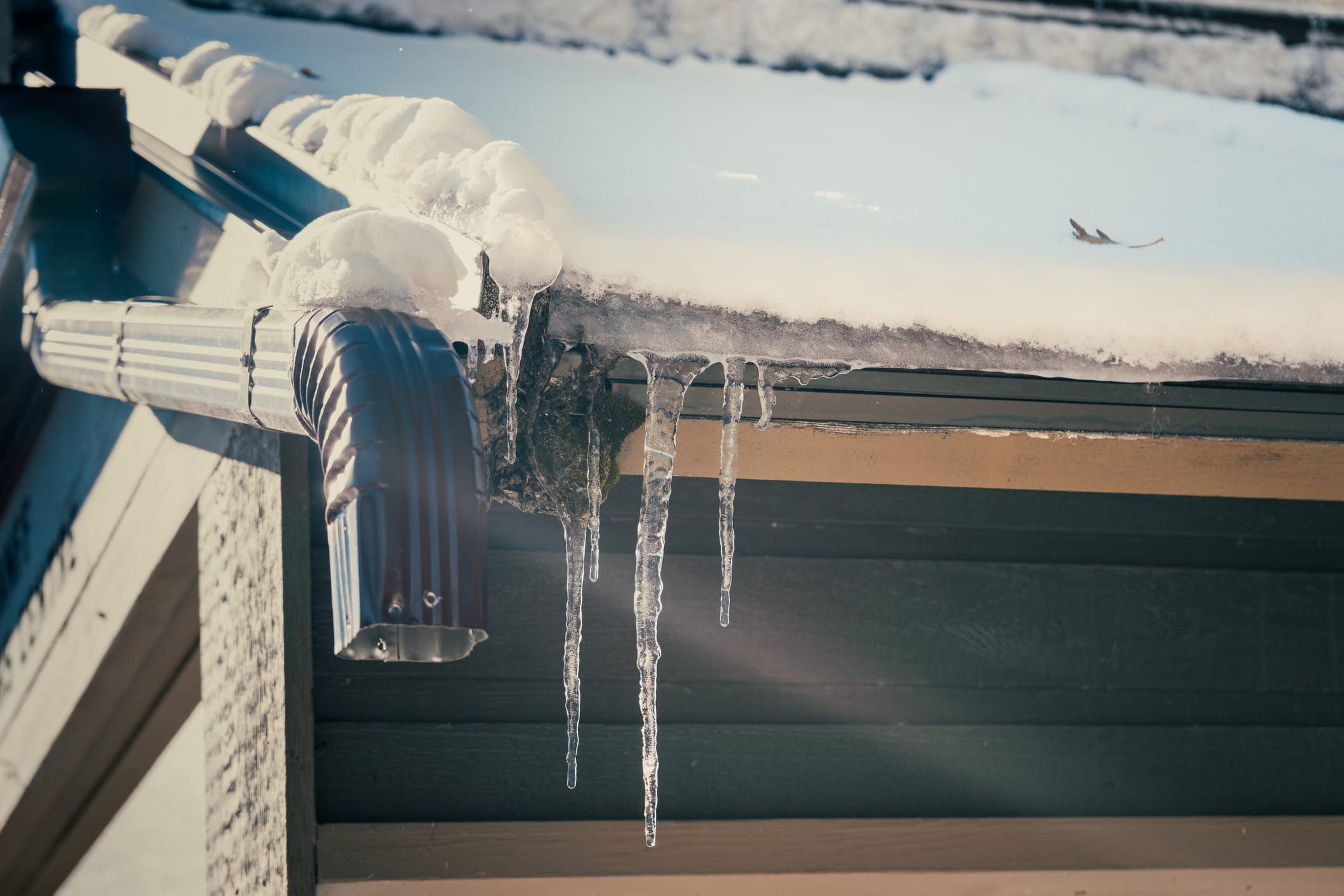
Ice dams that partially melt during warm spells allow water to back up under roofing materials. When temperatures drop again, the damage stays hidden until leaks appear inside.
Frozen Pipes That Fail Later
Pipes weakened during early freezes may not burst immediately. Instead, they crack and release water during the next thaw.
Hidden Moisture and Mold Growth
False Spring creates the perfect setup for mold. Moisture enters during the thaw, then becomes trapped when temperatures drop again. Utility rooms, basements, wall cavities, and storage areas are especially vulnerable.
Why Mold Is a Bigger Risk After False Spring
Mold doesn’t need a flood to grow. It only needs moisture that lingers longer than 24–48 hours. During False Spring:
- Buildings stay closed up
- Ventilation is limited
- Damp materials don’t dry properly
- Moisture remains hidden behind drywall, flooring, and insulation
Weeks later, musty odors, staining, or health complaints begin to surface, often long after the original thaw is forgotten.
What Property Owners Can Do Right Now
Even though winter isn’t over, there are steps you can take to reduce your risk before the next thaw hits:
- Check basements and crawl spaces for dampness or staining
- Monitor ceilings and upper walls for early signs of roof leaks
- Keep snow cleared away from foundations when possible
- Maintain consistent indoor heat, even in unused areas
- Pay attention to musty odors, condensation, or peeling paint
If something doesn’t look or smell right, it’s worth having it checked.
How John Grace Helps During False Spring
John Grace specializes in identifying and addressing water and mold issues caused by freeze–thaw cycles. Our team provides:
- Free inspections and moisture assessments
- Emergency water extraction and drying
- Mold remediation and containment
- Structural drying behind walls and under flooring
- Contents protection and cleaning if needed
- Full restoration and reconstruction services
We don’t just dry what you can see, we can find and address moisture before it becomes a long-term problem.
Don’t Let False Spring Turn into a Bigger Issue
False Spring may feel like a much needed break from winter, but it’s often the start of serious water and mold damage in homes and commercial properties. And with more cold weather ahead, now is the best time to prepare.
If you’ve noticed dampness, leaks, or changes in your building, or if you want peace of mind before the next thaw, contact John Grace today. A quick inspection now can prevent major repairs later.